
The Heat Pump Specialists
Contact Us
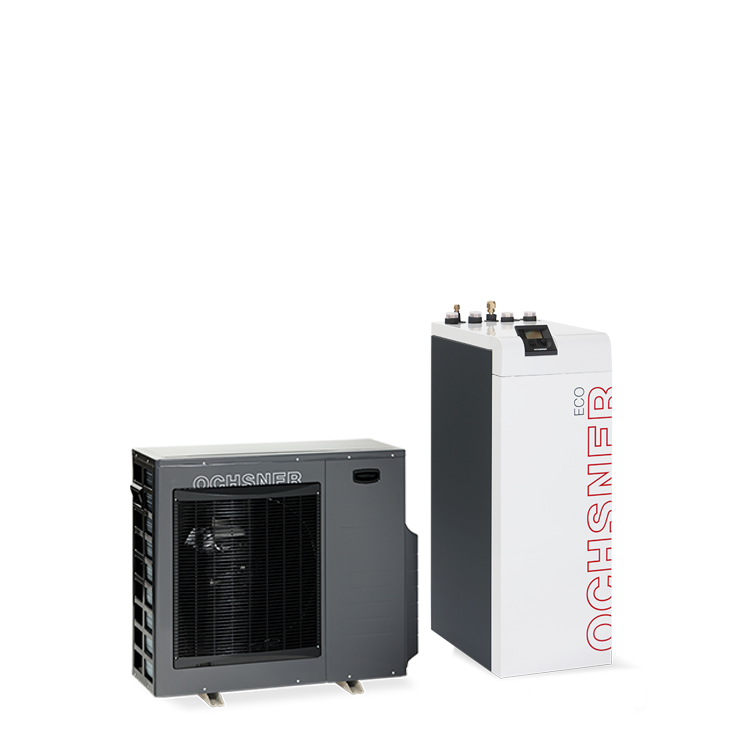
Air source heat pumps are quickly becoming recognized as the solution for heating our homes and buildings using a endless renewable source while eliminating harmful emissions. The standard vertical air source heat pump is based on the air conditioning technology which has been with us for decades.
The system operates in the reverse mode transferring heat from outside air to the water that circulates through the internal heat distribution system whether it be under floor heating or fan coils or radiators. Generally this technology is very cost effective from an installation viewpoint. Air is an infinitely available heat source compared with geothermal which can be limited by the size of the ground collector array.
This allows air source technology to be installed in almost any location even where ground area may be restricted for geothermal applications. A standard vertical system can be cost effective even compared with conventional alternatives.
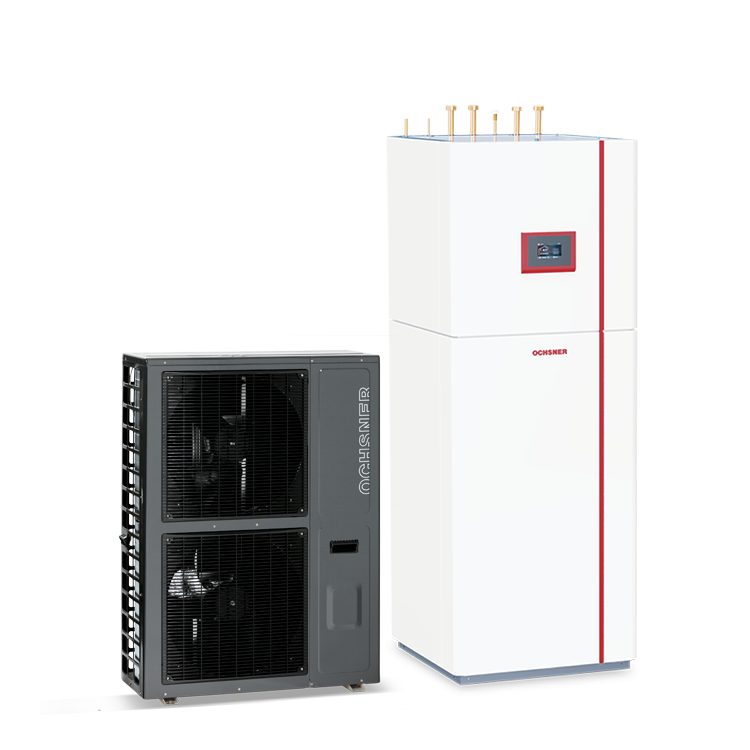
After installing hundreds of ground source solutions, both vertical & horizontal, offering our customers the maximum efficiencies, and with the development of the horizontal evaporator air source technology we investigated performance in Irish climate in 2009. A one year detailed investigation was independently carried out by the Dundalk Institute of Technology and supported by Enterprise Ireland.
The results over a twelve month period from 2009 to 2010 proved that even during the most severe winter in over forty years in Ireland that impressive seasonal efficiency was achieved when incorporated in an igen complete heating system while at the same time providing a comfortable living temperature. The horizontal evaporator technology offers even benefits standard vertical system:
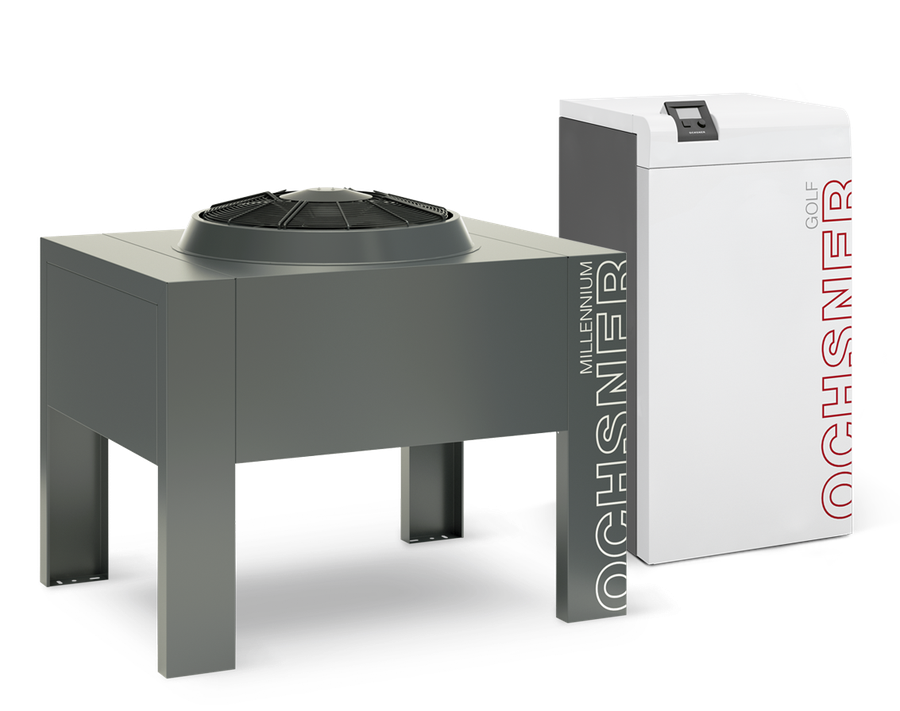
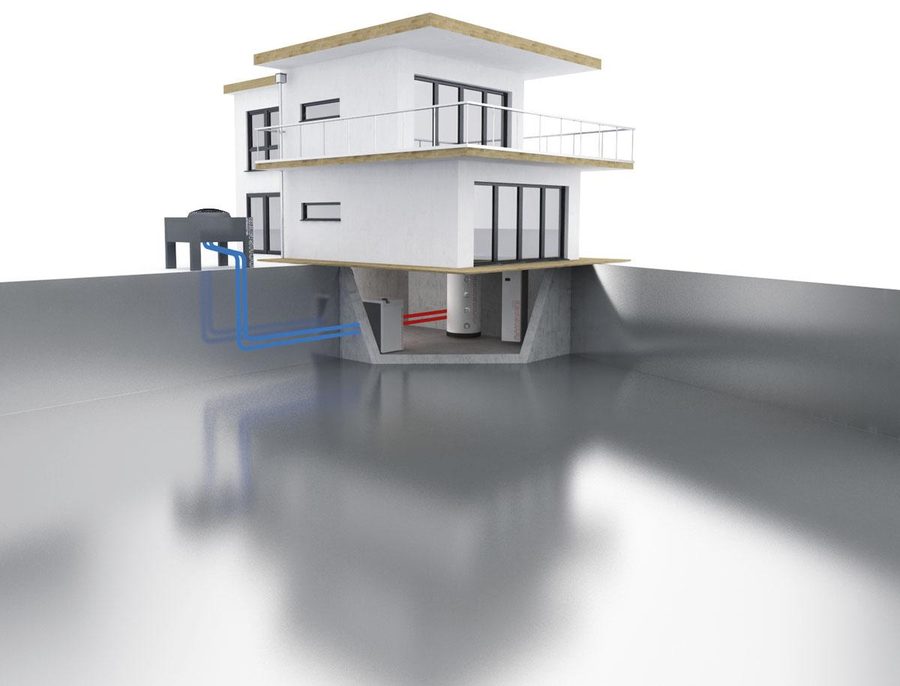
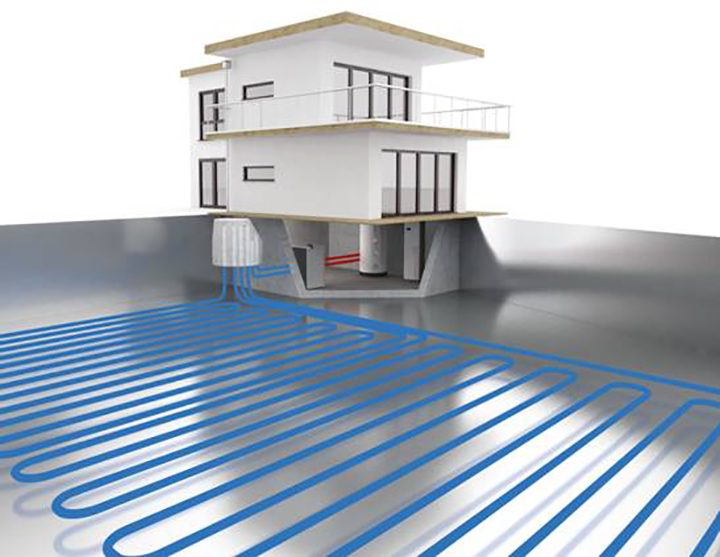
Ground source heat pumps offer a stable and constant source temperature when accurately sized to match the load required by the building. It is very important that the building fabric and use is properly understood so that the ground source heat pump engine and collector array are balanced with the heat load.
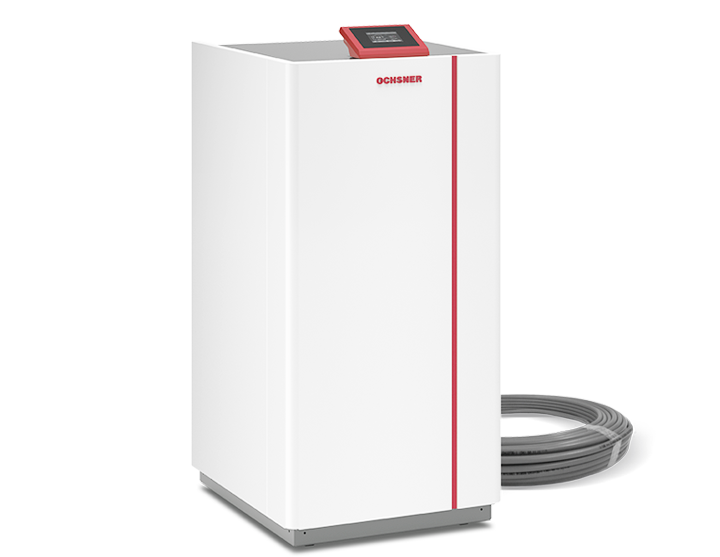
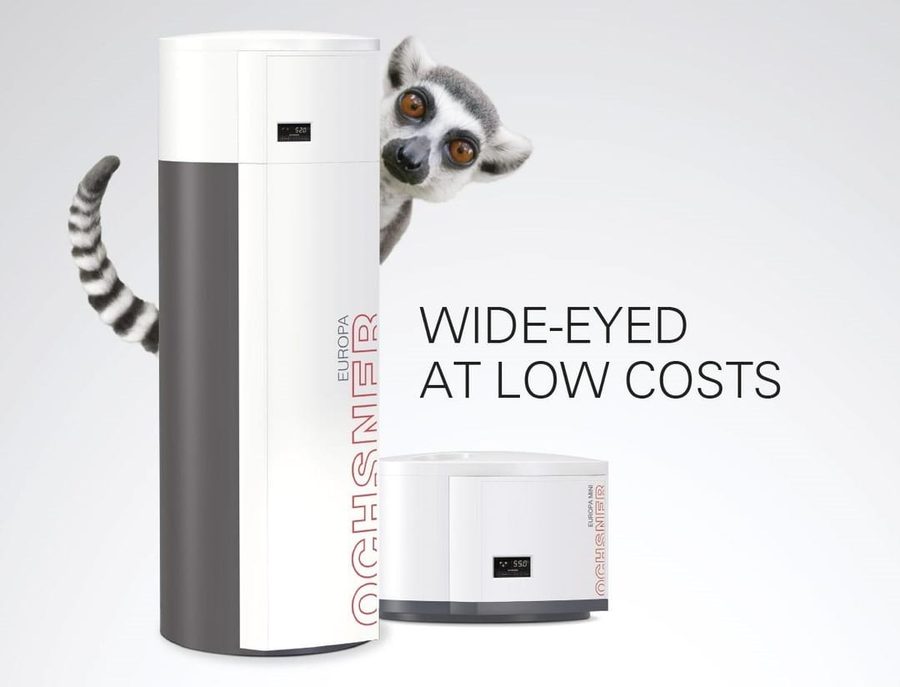
Most heat pumps provide space heating and hot water. The advantages of having a dedicated heat pump for specifically providing domestic hot water are:
Type Europa 250 DK/DKL, 323 DK and Mini IWP
Type 250 DK/DKL, 323 DK and Europa Mini IWP
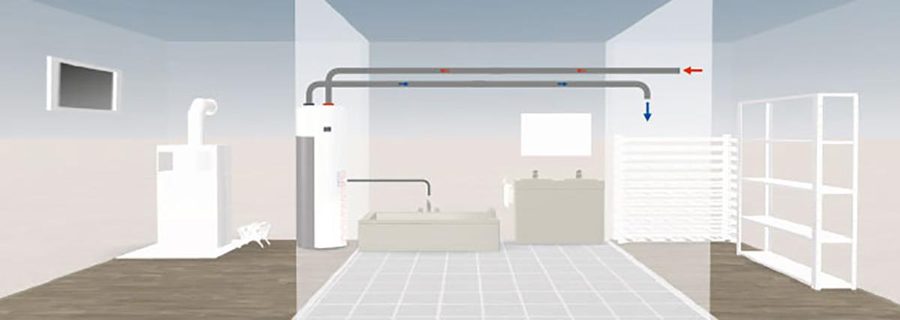
Type Europa 323 DK / mechanical ventilation as extract air system
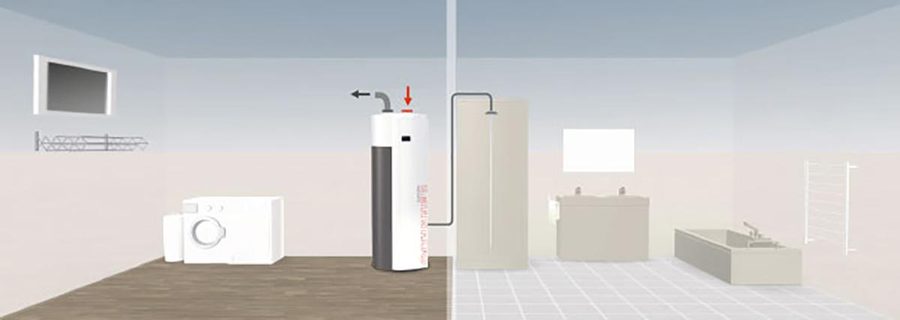
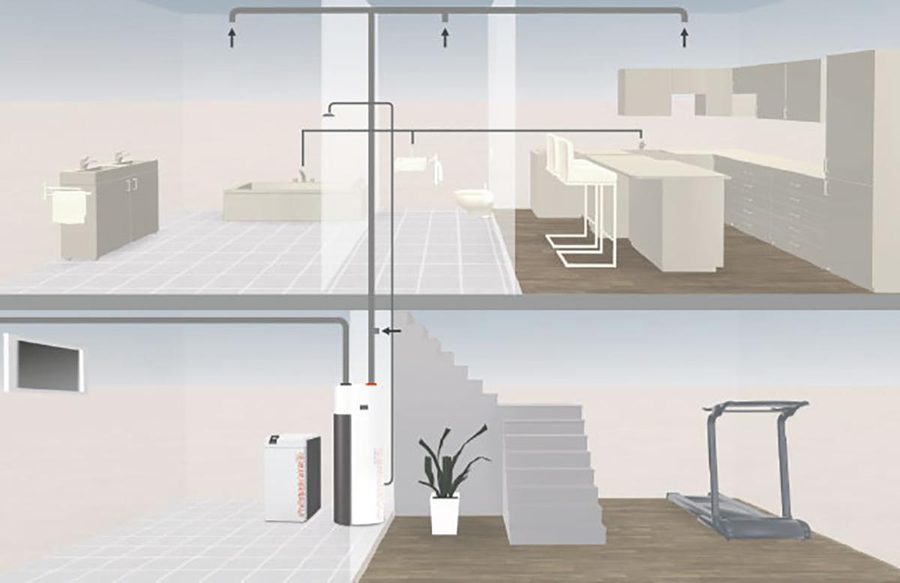
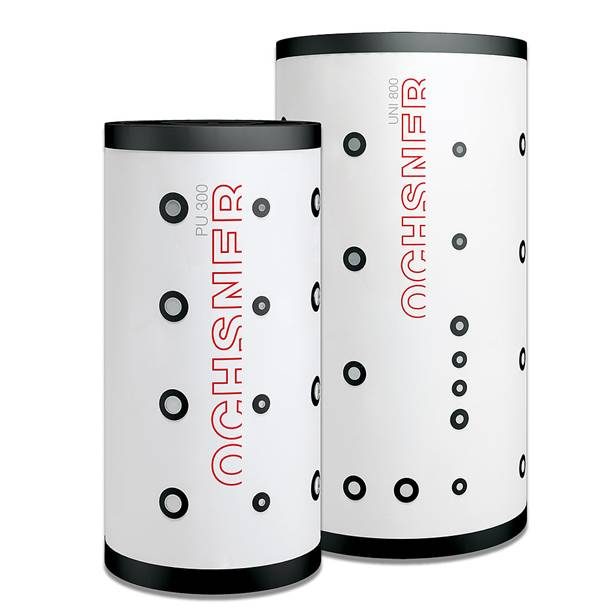
An important part of a heating system which incorporates a heat pump is the interface between the heat pump and the heat distribution. In many cases it is advisable to install a buffer storage tank to ensure the optimum performance & lifespan of the heat pump.
The DHW hot water cylinders are also a critical component in the system to ensure correct heat transfer from the heat pump to the dhw. Typically the coil surface area is considerably larger to allow efficient heat transfer. Alternatively an external plate heat exchanger with a sufficiently large surface area can be used to act as the heat transfer mechanism.
A unifresh tank is another option which acts as a thermal store where the heat is transferred from the stored water to the potable water via large surface area stainless steel corrugated coil.
Heat pumps have many applications which are limitless with the correct technology, application and engineering.
High capacity heat pumps can be used to extract energy from waste heat such as underground waste networks in cities and recycle this heat for use in large buildings. In industry there are many manufacturing and chemical processes which have waste heat as a by-product.
High capacity heat pumps have the potential to collect this waste heat and upgrade it to usable temperature for heating applications for example in conjunction with CHP plants.
At igen we are committed to giving value for money without comprising on quality.
Contact Us Today